
Astrophyzix Digital Observatory
Asteroid News, Research & Analysis

Astrophyzix.com is the publication of the Astrophyzix Digital Observatory, offering unpaywalled, evidence‑driven analysis and real‑time monitoring of PHAs and NEOs. Our tracking consoles and reporting systems use and provide access to official NASA CNEOS Scout, JPL CAD, NeoWs, JPL SBDB, Horizons and NOAA observational datasets, peer‑reviewed sources, and high‑precision numerical methods (IEEE‑754 Float64, RKN4). Designed for students, educators, researchers, and the public, every console is uniquely designed and engineered by the Astrophyzix Digital Observatory. Our research notes and papers can be found at Astrophyzix.Academia.Edu

Showing posts with label Official Sources. Show all posts

Tuesday, 10 February 2026

Asteroid (1999 AO10): Its February 2026 Close Approach - Scientific Overview

MONITORING ACTIVE
Astrophyzix Asteroid Close Approach Series 
Written by: Astrophyzix Science Communication 
Article Type: News, Explainer, Evidence Check
Information Updated: 10 February 2026
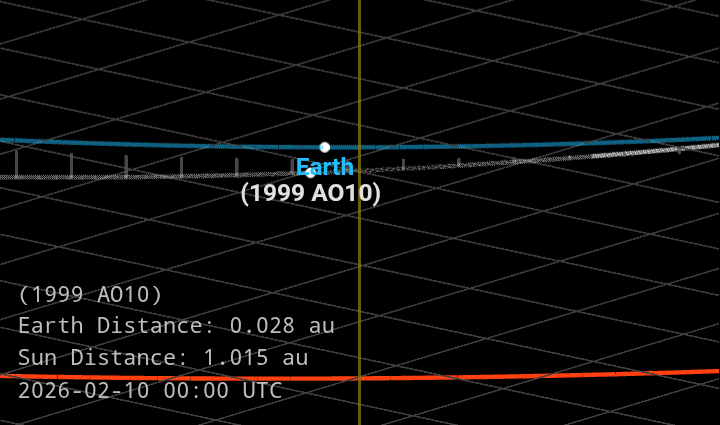
Ao10


Introduction to Asteroid 1999 AO10

Asteroid 1999 AO10 is a near-Earth object that was first observed on 13 January 1999 by the LINEAR survey at Lincoln Laboratory’s Experimental Test Site in New Mexico, USA. It belongs to the Aten class of asteroids, a group defined by orbits that bring them inside Earth’s orbital radius around the Sun. 
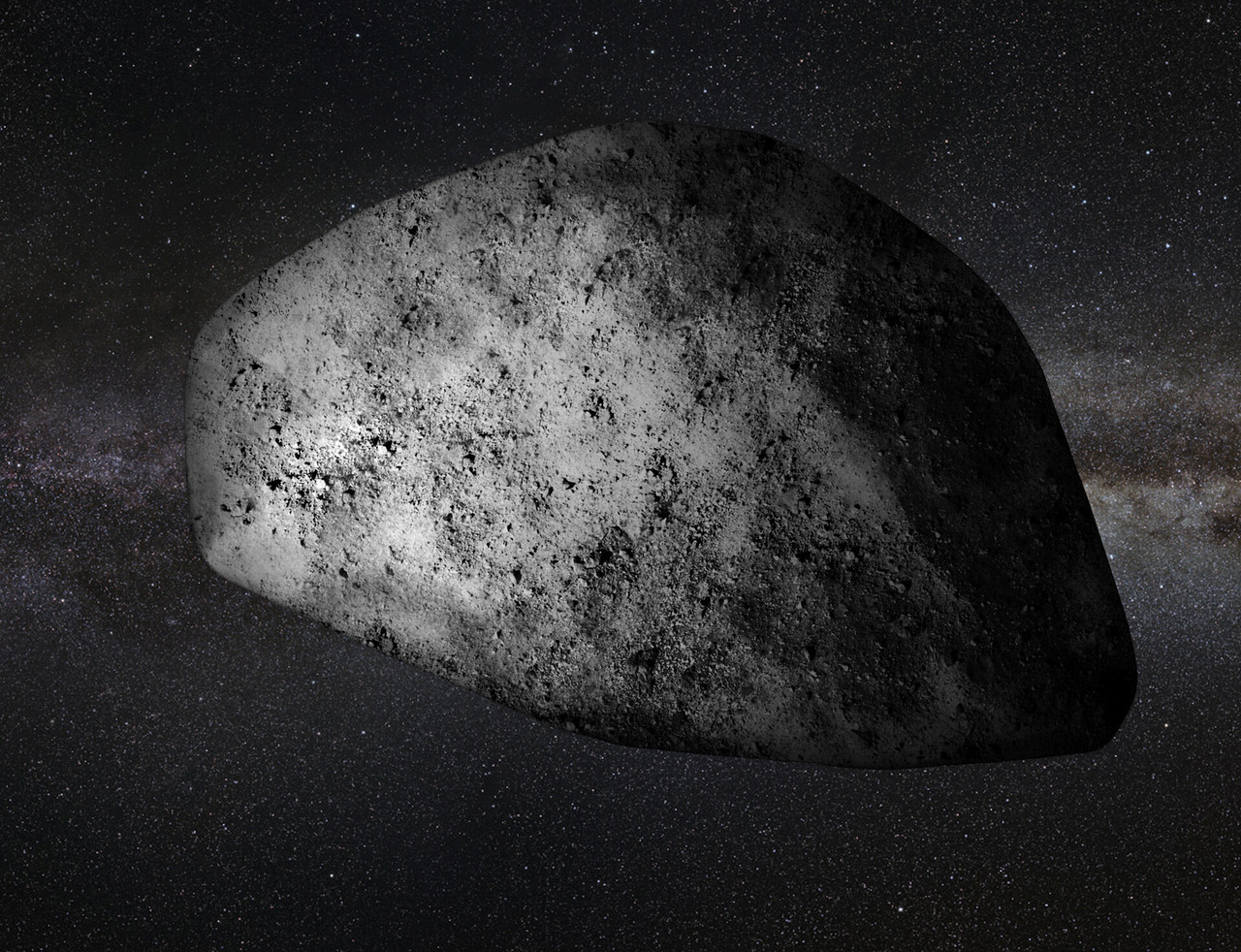

Asteroid (99942 Apophis): From Impact Scare to a Once-in-a-Lifetime Scientific Encounter - Part Two

MONITORING ACTIVE
Astrophyzix Asteroid Close Approach Series 
Written by: Astrophyzix Science Communication 
Article Type: News, Explainer, Evidence Check
Information Updated: 10 February 2026
 
Apophis 2


Introduction

Asteroid 99942 Apophis captured global attention shortly after its discovery in 2004, when early calculations suggested a small but alarming chance of an Earth impact in 2029. At the time, limited observational data created large uncertainties in its predicted trajectory. Over the following two decades, continuous tracking and radar measurements transformed Apophis from a previously feared impact threat into one of the most scientifically valuable near-Earth asteroids ever observed.

Will Apophis hit Earth in 2029? 

No. On 13/04/29 Apophis will pass at a distance of around 20,000 miles or 33,000km. 

Independent Direct Source Verification
Uncompromised Crossref DOI Resolver · Live and direct meta data fetch
Awaiting DOI input