
Astrophyzix Digital Observatory
Asteroid News, Research & Analysis

Astrophyzix.com is the publication of the Astrophyzix Digital Observatory, offering unpaywalled, evidence‑driven analysis and real‑time monitoring of PHAs and NEOs. Our tracking consoles and reporting systems use and provide access to official NASA CNEOS Scout, JPL CAD, NeoWs, JPL SBDB, Horizons and NOAA observational datasets, peer‑reviewed sources, and high‑precision numerical methods (IEEE‑754 Float64, RKN4). Designed for students, educators, researchers, and the public, every console is uniquely designed and engineered by the Astrophyzix Digital Observatory. Our research notes and papers can be found at Astrophyzix.Academia.Edu

Showing posts with label Evidence-based. Show all posts

Wednesday, 18 February 2026

NASA’s SPHEREx Mission Tracks Interstellar Comet 3I/ATLAS Through Infrared Eyes

Written by: Astrophyzix Science Communication
Article Type: Official Space Agency sourced News, Explainer, Evidence-based
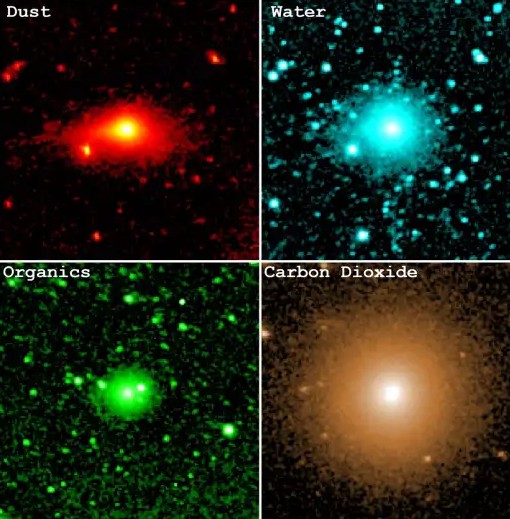
 
3I/ATLAS

NASA’s SPHEREx Mission Tracks Interstellar Comet 3I/ATLAS Through Infrared Eyes

NASA’s SPHEREx mission — the Spectro-Photometer for the History of the Universe, Epoch of Reionization, and Ices Explorer has provided one of the most detailed infrared views yet of the interstellar comet 3I/ATLAS. As this rare visitor passed through our solar system, SPHEREx measured the light emitted by the gases and dust around the comet’s nucleus, revealing how its frozen materials reacted to solar heating and offering insight into the composition of a body formed around another star.
Thursday, 12 February 2026

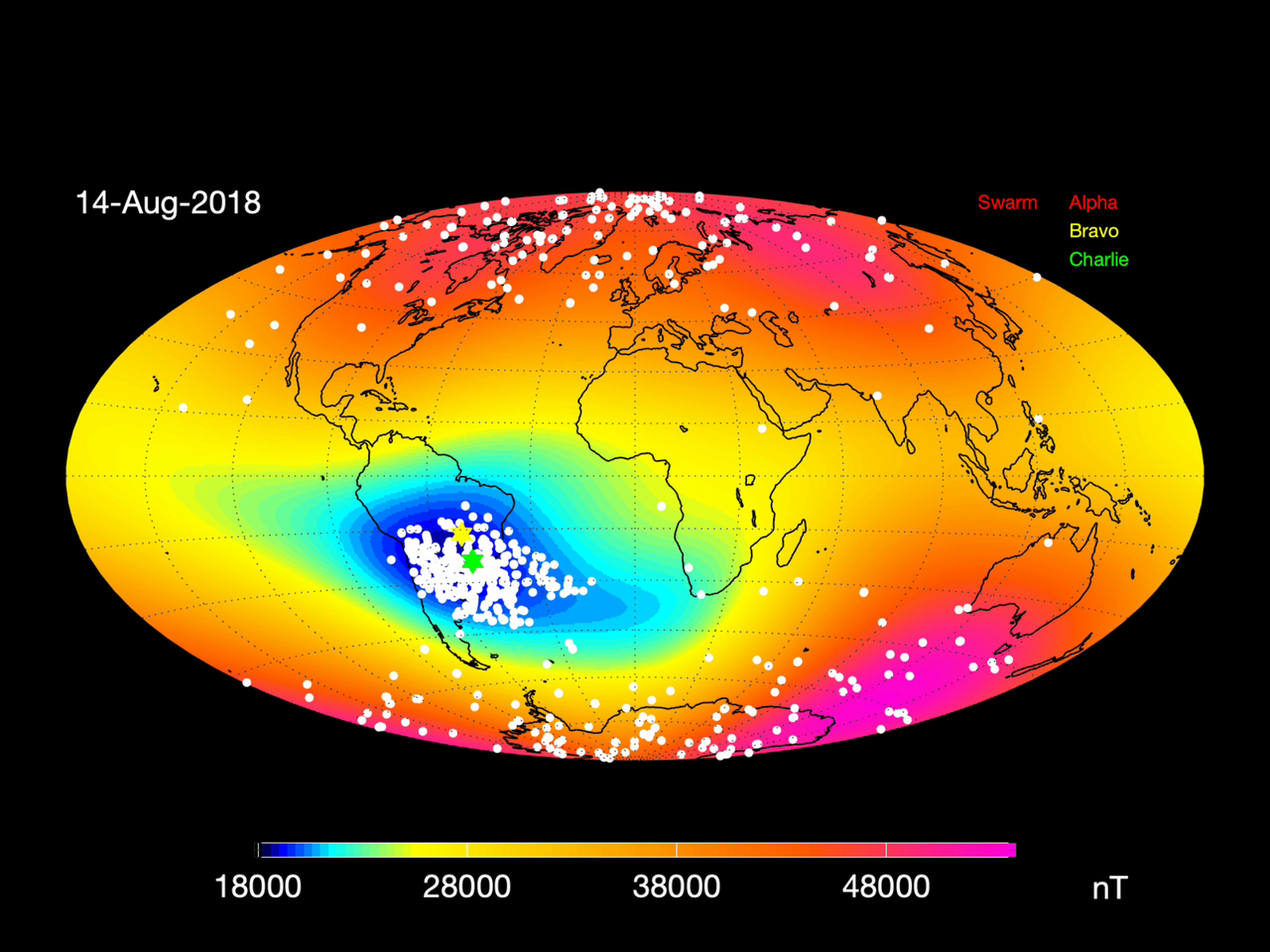
South Atlantic Anomaly Explained: Earth’s Weak Magnetic Zone, Radiation Risks, and What It Means for Satellites

Written by: Astrophyzix Science Communication
Article Type: Explainer, Scientific Deep-dive, Evidence-based

 
South Atlantic Anomaly


Introduction: What Is the South Atlantic Anomaly?

The South Atlantic Anomaly (SAA) is a region of reduced geomagnetic field strength extending over parts of South America and the South Atlantic Ocean. Within this region, the inner Van Allen radiation belt comes unusually close to Earth’s surface, allowing high-energy charged particles—primarily protons—to penetrate to altitudes typically occupied by low-Earth orbit (LEO) satellites. As a result, spacecraft passing through the SAA experience enhanced radiation exposure compared to other regions at similar altitudes.

Tuesday, 10 February 2026

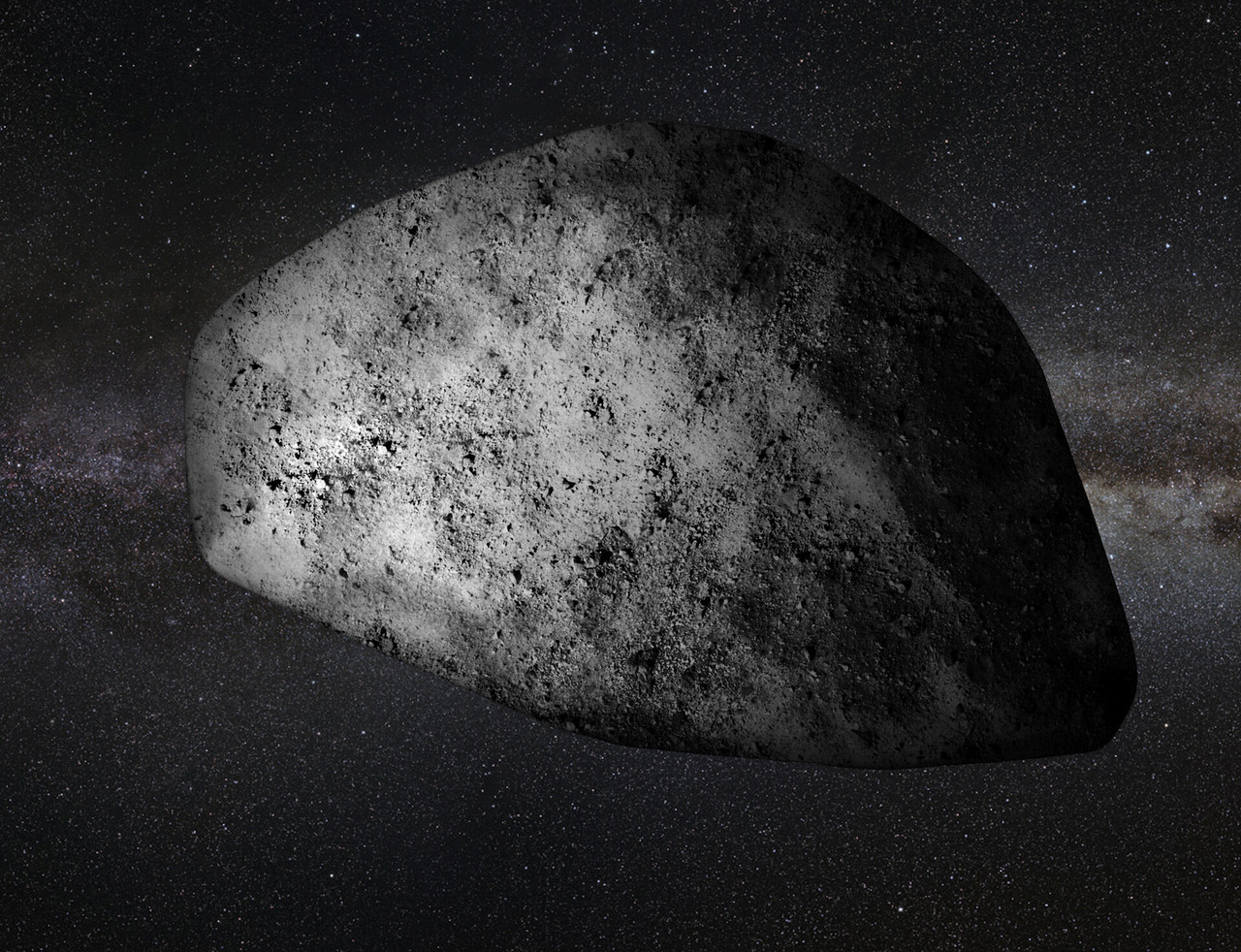
Asteroid (99942 Apophis): From Impact Scare to a Once-in-a-Lifetime Scientific Encounter - Part Two

MONITORING ACTIVE
Astrophyzix Asteroid Close Approach Series 
Written by: Astrophyzix Science Communication 
Article Type: News, Explainer, Evidence Check
Information Updated: 10 February 2026
 
Apophis 2


Introduction

Asteroid 99942 Apophis captured global attention shortly after its discovery in 2004, when early calculations suggested a small but alarming chance of an Earth impact in 2029. At the time, limited observational data created large uncertainties in its predicted trajectory. Over the following two decades, continuous tracking and radar measurements transformed Apophis from a previously feared impact threat into one of the most scientifically valuable near-Earth asteroids ever observed.

Will Apophis hit Earth in 2029? 

No. On 13/04/29 Apophis will pass at a distance of around 20,000 miles or 33,000km. 

Independent Direct Source Verification
Uncompromised Crossref DOI Resolver · Live and direct meta data fetch
Awaiting DOI input