Astrophyzix Digital Observatory
Asteroid News, Research & Analysis

Astrophyzix.com is the publication of the Astrophyzix Digital Observatory, offering unpaywalled, evidence‑driven analysis and real‑time monitoring of PHAs and NEOs. Our tracking consoles and reporting systems use and provide access to official NASA CNEOS Scout, JPL CAD, NeoWs, JPL SBDB, Horizons and NOAA observational datasets, peer‑reviewed sources, and high‑precision numerical methods (IEEE‑754 Float64, RKN4). Designed for students, educators, researchers, and the public, every console is uniquely designed and engineered by the Astrophyzix Digital Observatory. Our research notes and papers can be found at Astrophyzix.Academia.Edu

Showing posts with label Deep-dive. Show all posts

Friday, 27 February 2026

Space Travel History: How Humanity Reached Space: The History of Rockets, Pioneers, and the Space Race

How Humanity Reached Space: The History of Rockets, Pioneers, and the Space Race

Written By: Astrophyzix Science Communication
Article type: Deep Dive, Science History, Factual, Explainer

Space

Prelude: From Imagination to Inquiry

Humanity’s relationship with the sky began long before the first rocket engine ignited. Ancient cultures developed sophisticated astronomical systems to interpret celestial motion, embedding the heavens within scientific, agricultural, and mythological frameworks. Although these early traditions were not attempts to leave Earth, they established the intellectual curiosity that would eventually make spaceflight conceivable.
Friday, 20 February 2026

The Large Hadron Collider at CERN: The Worlds Most Powerful Machine for Exploring Fundamental Physics

πŸ“Œ Cited

Written By: Astrophyzix Science Communication
Article type: Explainer, Deep-Dive, Doi Sourced, Official CERN 


Lhc cern

Introduction to The Large Hadron Collider

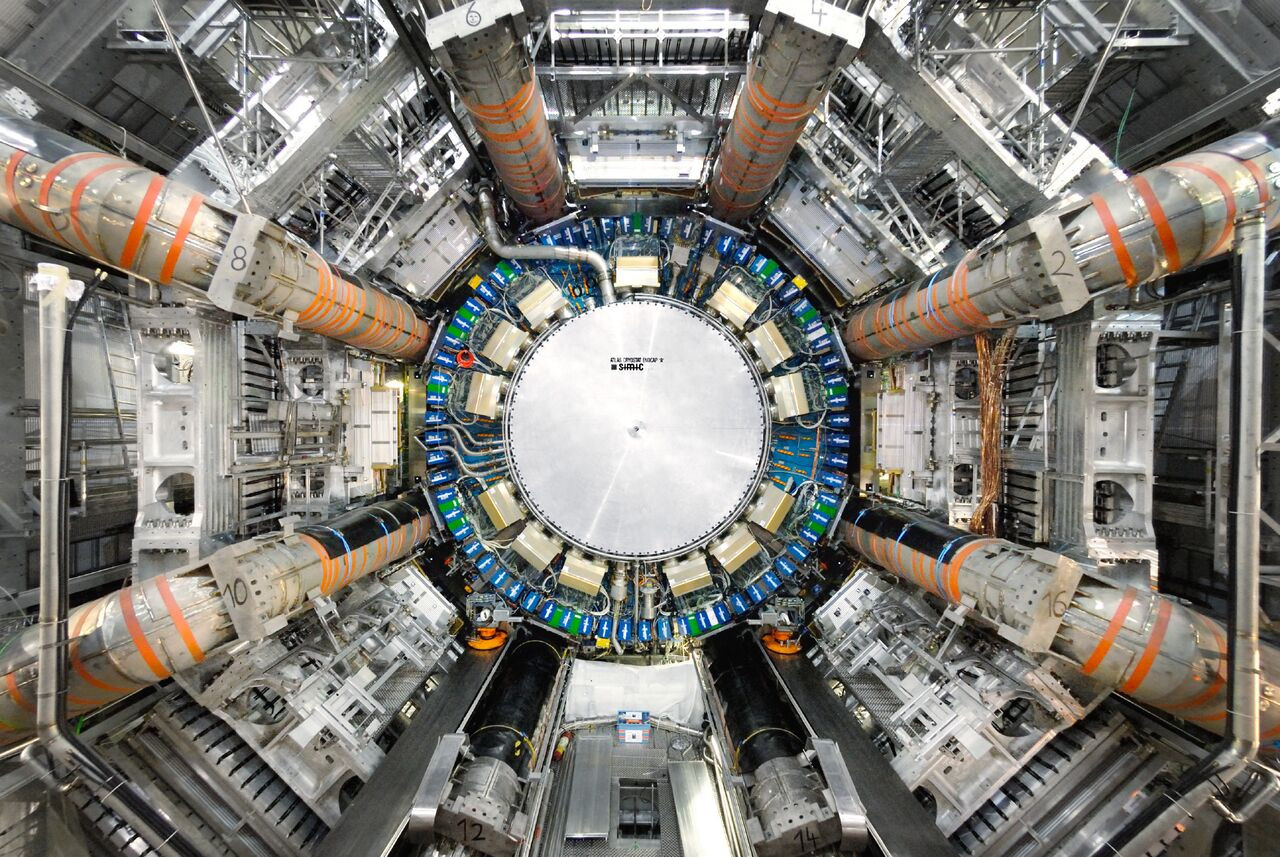
The Large Hadron Collider operated by the European physics laboratory CERN represents the most advanced experimental instrument ever constructed for studying the fundamental structure of matter. Built to probe energy regimes previously unreachable in controlled laboratory conditions, the collider allows physicists to experimentally test quantum field theory, the Standard Model, and candidate theories describing physics beyond known particles and forces. 

Thursday, 12 February 2026

Scientific Perspective on Candidate Interstellar Meteors — A Peer-Reviewed Sourced, Evidence-based Deep-Dive

Written by: Astrophyzix Science Communication
Article Type: Evidence Check, Explainer, Peer-reviewed Cross-referencing 

 
πŸ“Œ Cited
Meteorite


Introduction: What Meteoroids Are

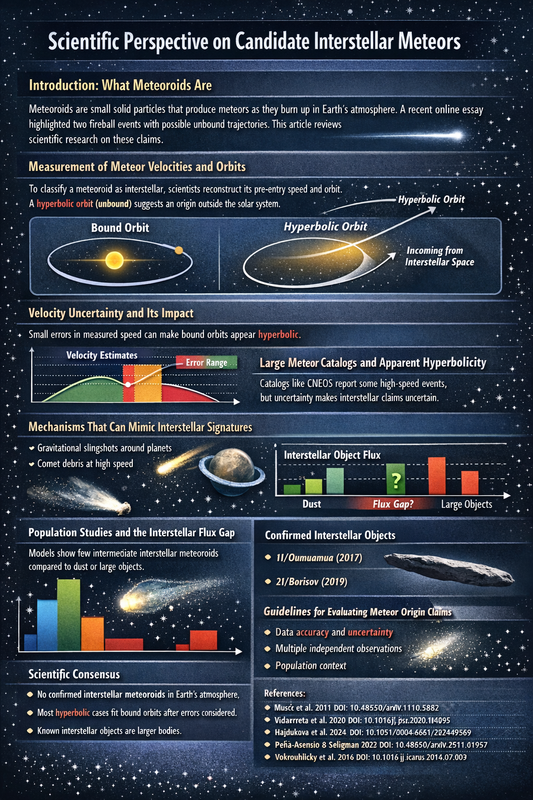
Meteoroids are small solid particles, ranging from sub-millimeter sizes up to meter-scale bodies, that intersect Earth's orbit and produce visible meteors when they ablate in the atmosphere. Determining whether such particles originate inside the Solar System or from interstellar space requires reconstructing their pre-atmospheric orbit. 

A recent online essay by Professor Avi Loeb of Harvard University on his Medium Blog highlighted two fireball events with inferred trajectories that could be interpreted as unbound relative to the Sun’s gravity, sparking public interest. 

South Atlantic Anomaly Explained: Earth’s Weak Magnetic Zone, Radiation Risks, and What It Means for Satellites

Written by: Astrophyzix Science Communication
Article Type: Explainer, Scientific Deep-dive, Evidence-based

 
South Atlantic Anomaly


Introduction: What Is the South Atlantic Anomaly?

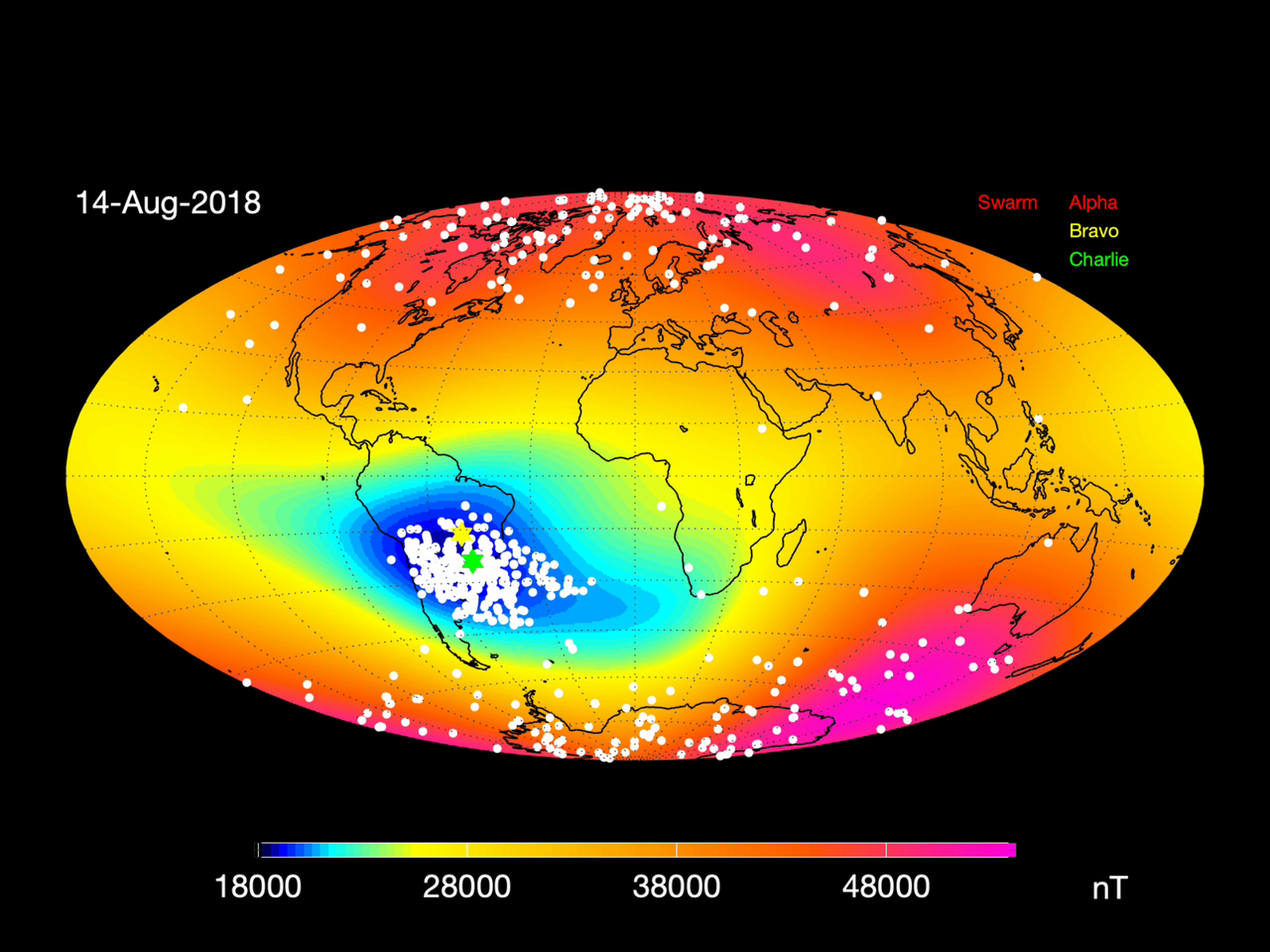
The South Atlantic Anomaly (SAA) is a region of reduced geomagnetic field strength extending over parts of South America and the South Atlantic Ocean. Within this region, the inner Van Allen radiation belt comes unusually close to Earth’s surface, allowing high-energy charged particles—primarily protons—to penetrate to altitudes typically occupied by low-Earth orbit (LEO) satellites. As a result, spacecraft passing through the SAA experience enhanced radiation exposure compared to other regions at similar altitudes.

Independent Direct Source Verification
Uncompromised Crossref DOI Resolver · Live and direct meta data fetch
Awaiting DOI input